
MASO explores quartzite at Debëlldë in the Municipality of Vitia. Laboratory tests on quartz from the area reach up to 99.99% SiO₂ after purification – raw material for silicon, glass and refractories.
MASO sh.p.k. develops a quartzite resource at Debëlldë, in the Municipality of Vitia in south-eastern Kosovo. In November 2018 Kosovo’s Independent Commission for Mines and Minerals approved MASO’s application for an exploration licence for hard rock (quartzite) at Debëlldë, and in 2025 it issued exploration licence 2332/KPMM/2025 for hard rock at Kabash, Vitia, valid until July 2027. The area has been studied by geologists since 1971, and recent laboratory work shows quartz that can be purified to 99.99% SiO₂.
Licence 2332/KPMM/2025 for hard rock at Kabash, Vitia, valid until 15 July 2027
99.57% SiO₂ in a 2015 lab analysis, up to 99.99% after purification in 2018
A 98-page reserves study of the Vitia quartzite field, with 3.05 Mt calculated
The quartzite bodies lie 4.5–8 km from Vitia, about 30 km by road from the railway at Ferizaj
The quartzite of Vitia formed when ancient quartz sandstones were recrystallised deep in the Earth. It sits as lenses and reefs in the Palaeozoic crystalline schists of the Veles series, between the villages of Binçë, Buzovik, Debëlldë and Korbuliq. The figures below come from the 1971 reserves report of the Institute for Geological and Geophysical Research in Belgrade.
The 1971 study mapped white-quartz lenses at Debëlldë: the lens at the village cemetery is about 80 m long and 10–15 m wide, with two more veins nearby (Žica I and II). All three tested above 99% SiO₂, with very little alumina and iron.
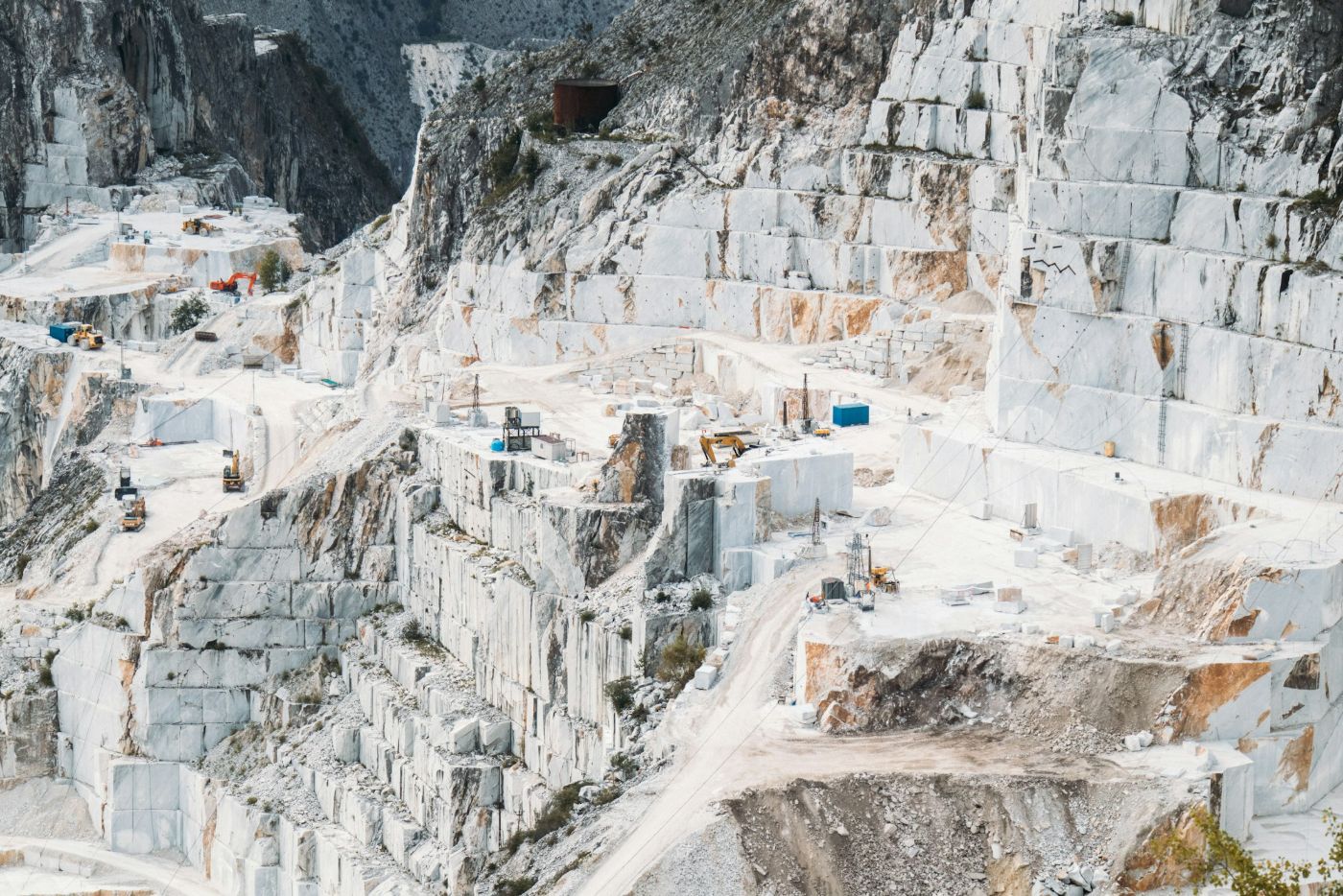
Drilling of 49 holes at four deposits proved 3.05 million tonnes of quartzite in categories A, B and C1. The rock lies at the surface, needs no roof support and no groundwater was found in any hole, so it suits low-cost open-pit mining.
| Deposit | Total (t) | A (t) | B (t) | C1 (t) | Average SiO₂ |
|---|---|---|---|---|---|
| Golema Reka I | 1,435,699 | 320,378 | 574,592 | 540,729 | 95.84% |
| Mala Reka | 745,362 | – | – | 745,362 | 96.82% |
| Golema Reka II | 523,181 | – | 125,661 | 397,520 | 97.05% |
| Koljina Reka | 275,074 | – | 101,157 | 173,918 | 97.59% |
| Buzovik | 36,116 | – | 36,116 | – | 98.65% |
| Koljina Reka II | 31,682 | – | – | 31,682 | 98.08% |
| Vitia field | 3,047,115 | 320,378 | 837,526 | 1,889,211 | – |
Source: Geozavod Belgrade, “Ležišta silicijskih stena Golema Reka I i II kod Kosovske Vitine”, 1971 (density 2.58 t/m³). Deposit names are as written in the report. The study also roughly estimates about 2,000,000 t more at Mala Reka in the lower-confidence category C2, not included above. These deposits lie around Debëlldë; the report gives no tonnage for the Debëlldë quartz lenses themselves, and new exploration is needed to define a modern resource.
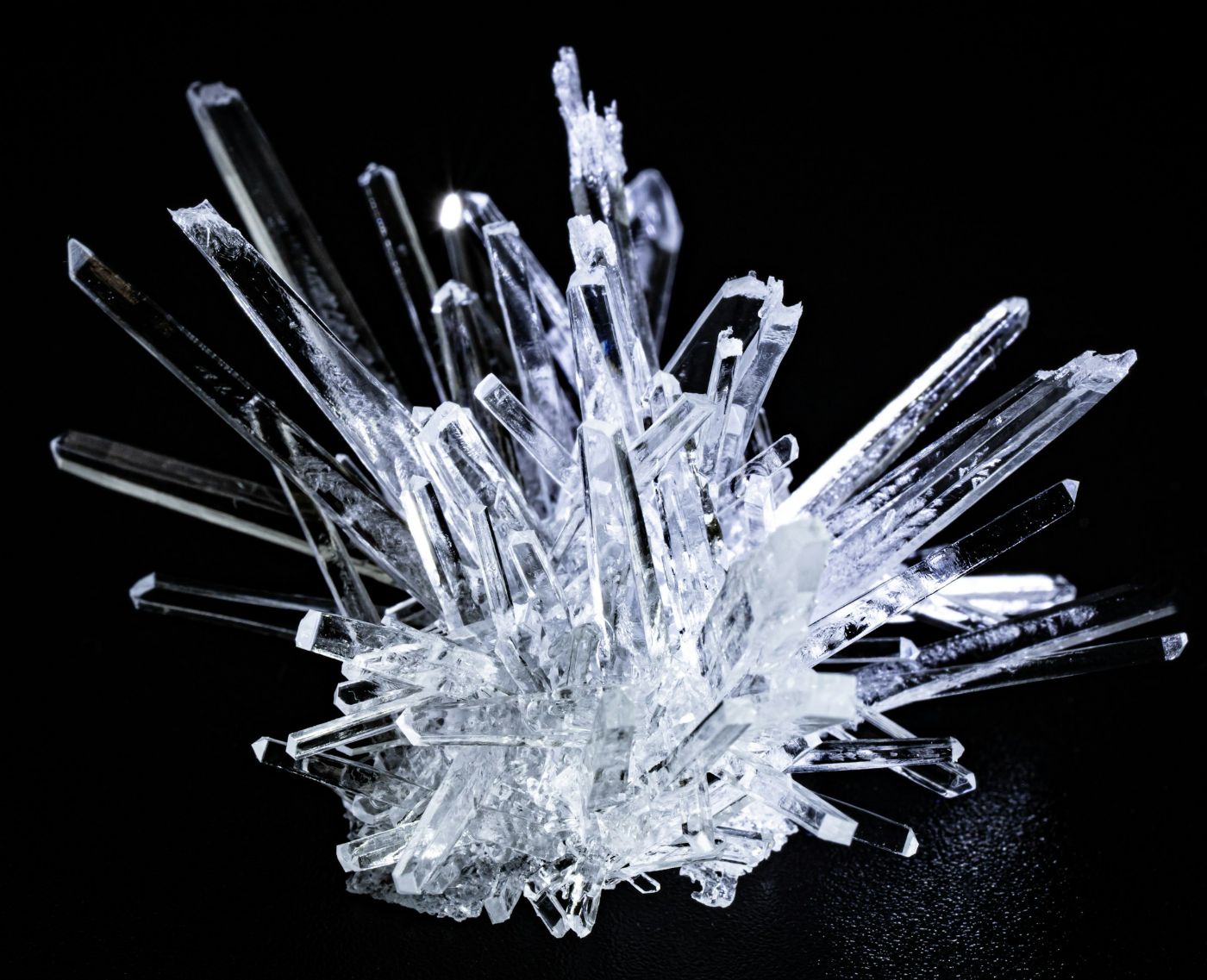
Three independent sets of laboratory results describe the quartz of the Vitia area. Purification removes most of the remaining alumina and iron.
Samples from Lupqe, Vitia and Sasha, purified in Albania and in Peja: 99.39–99.99% SiO₂, with Fe₂O₃ down to 0.000%.
Chemical analysis of quartz stone by the Mining Institute in Tuzla (Rudarski institut d.d.), order 502/15.
Complete chemical analyses of white quartz at Debëlldë and Pribavac by Geozavod Belgrade, average 99.34% SiO₂.
Semi-industrial grinding tests by an equipment maker in West Germany turned Vitia quartzite into fine filler at 1.6–3 t/h, with only 1–2% left on a 40–44 micron sieve.
Bars start at 99.0% SiO₂. Full results for every sample are in the Data Room.
Quartz is the main raw material for silicon. The purer it is, the more valuable the industries it can supply.
Smelted from lump quartz; the base material for solar-grade polysilicon, electronics and silicones.
Alloy for the steel industry. The 1971 study rated all Vitia deposits as suitable for ferrosilicon.
Clear, crystal and heat-resistant glass need silica with very low iron, as in the purified samples.
Dinas silica brick for furnaces needs above 95–97% SiO₂ and little alumina.
Finely ground quartz for detergents, paints, batteries and ceramics, at 98% SiO₂ and above.
Flux for nickel and copper smelting, foundry sand and abrasives.
Quartz is the raw material for silicon metal, which goes into solar panels, chips, aluminium alloys and silicones. In 2024 the European Union listed silicon metal as both a critical and a strategic raw material: Europe imports most of what it uses, and one country dominates world supply. Kosovo sits next to the EU market, with duty-free access, and its government has named Debëlldë a special interest zone for quartzite.
Silicon metal is on both the critical and the strategic raw materials lists of the EU Critical Raw Materials Act (Regulation 2024/1252).
The EU imports 64% of the silicon metal it uses. EU plants make only about 5% of the world’s silicon metal.
China produced almost 80% of the world’s silicon materials in 2025, according to the US Geological Survey.
The EU’s Joint Research Centre projects EU silicon demand for solar panels to grow up to 1.8 times by 2030, compared with 2020.
Industrial products from Kosovo, including quartz and silicon, enter the EU free of customs duties under the EU–Kosovo Stabilisation and Association Agreement, in force since 2016.
Kosovo’s Government has declared Debëlldë a special interest zone for quartzite and rare minerals, as listed by the Independent Commission for Mines and Minerals.
By 2030 the EU wants no single country to supply more than 65% of any strategic raw material it uses. Europe needs new sources close to home.
Sources: Regulation (EU) 2024/1252 (Critical Raw Materials Act), Annex I and II and Article 5; European Commission, Study on the Critical Raw Materials for the EU 2023; US Geological Survey, Mineral Commodity Summaries 2026, Silicon; EU Joint Research Centre, Supply chain analysis and material demand forecast in strategic technologies and sectors in the EU (2023); EU–Kosovo Stabilisation and Association Agreement, Article 22; Independent Commission for Mines and Minerals, special interest zones. These figures describe the European market; MASO’s own volumes and quality will be confirmed by new exploration.
The Institute for Geological and Geophysical Research in Belgrade drills 49 holes, calculates 3.05 Mt of quartzite and analyses the white quartz of Debëlldë. The authors judge the deposits economic for open-pit mining, and an investment programme for a filler plant of 10,000 t a year is prepared.
The Mining Institute in Tuzla analyses quartz stone for its SiO₂ content (order 502/15, 30 July 2015).
Quartz from Lupqe, Vitia and Sasha is purified in Albania and in Peja; the best samples reach 99.99% SiO₂.
The board of the Independent Commission for Mines and Minerals approves MASO’s applications nos. 2484, 2485 and 2486 for two-year exploration licences for hard rock at Debëlldë, Municipality of Vitia (decisions of 27 November 2018).
The Independent Commission for Mines and Minerals issues MASO an exploration licence for hard rock at Kabash, Municipality of Vitia, over 11.6 ha, valid until 15 July 2027 (board meeting of 27 June 2025).
A modern exploration programme and resource estimate at Debëlldë, then an application for an exploitation licence and a processing plant.
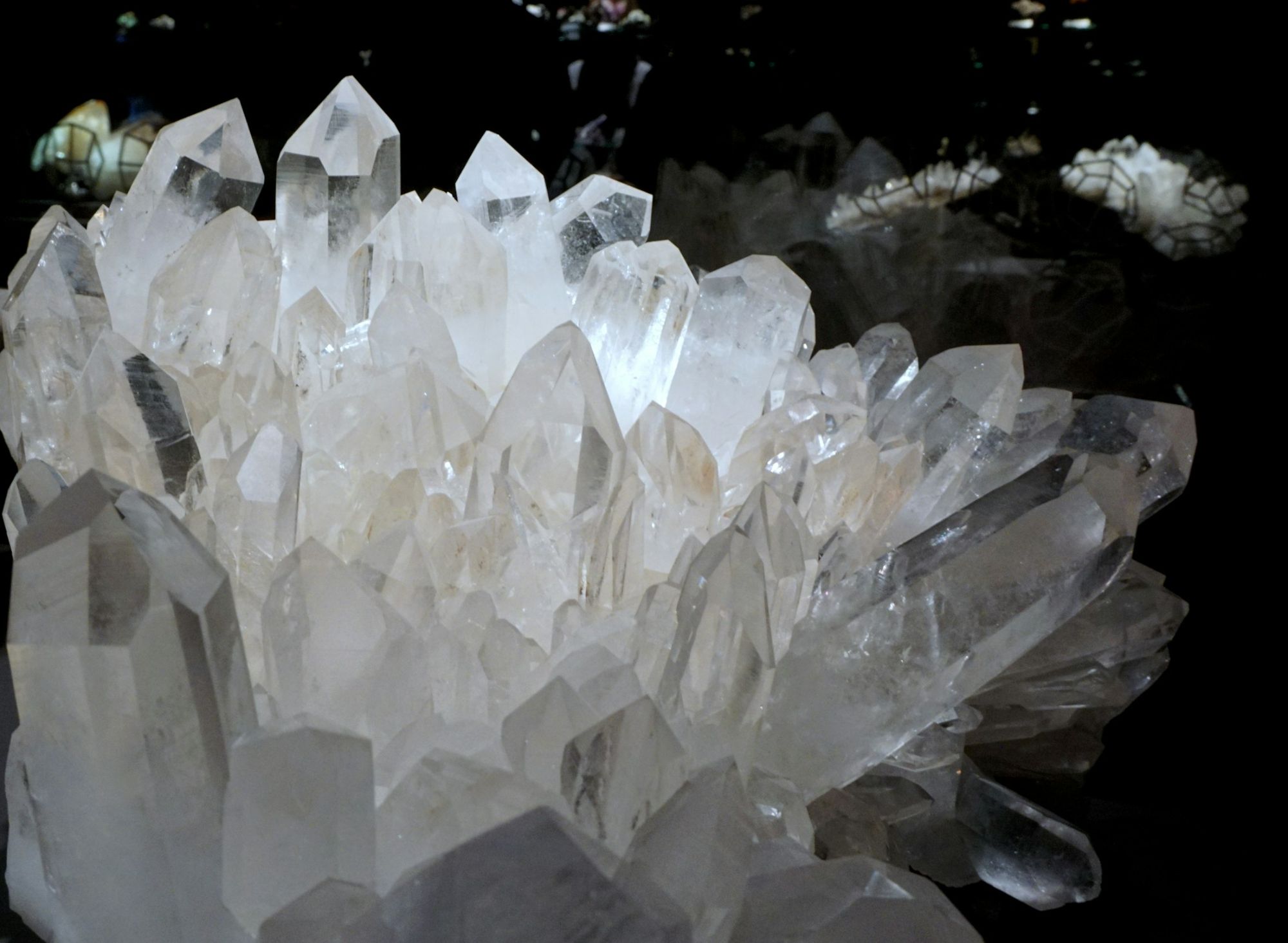
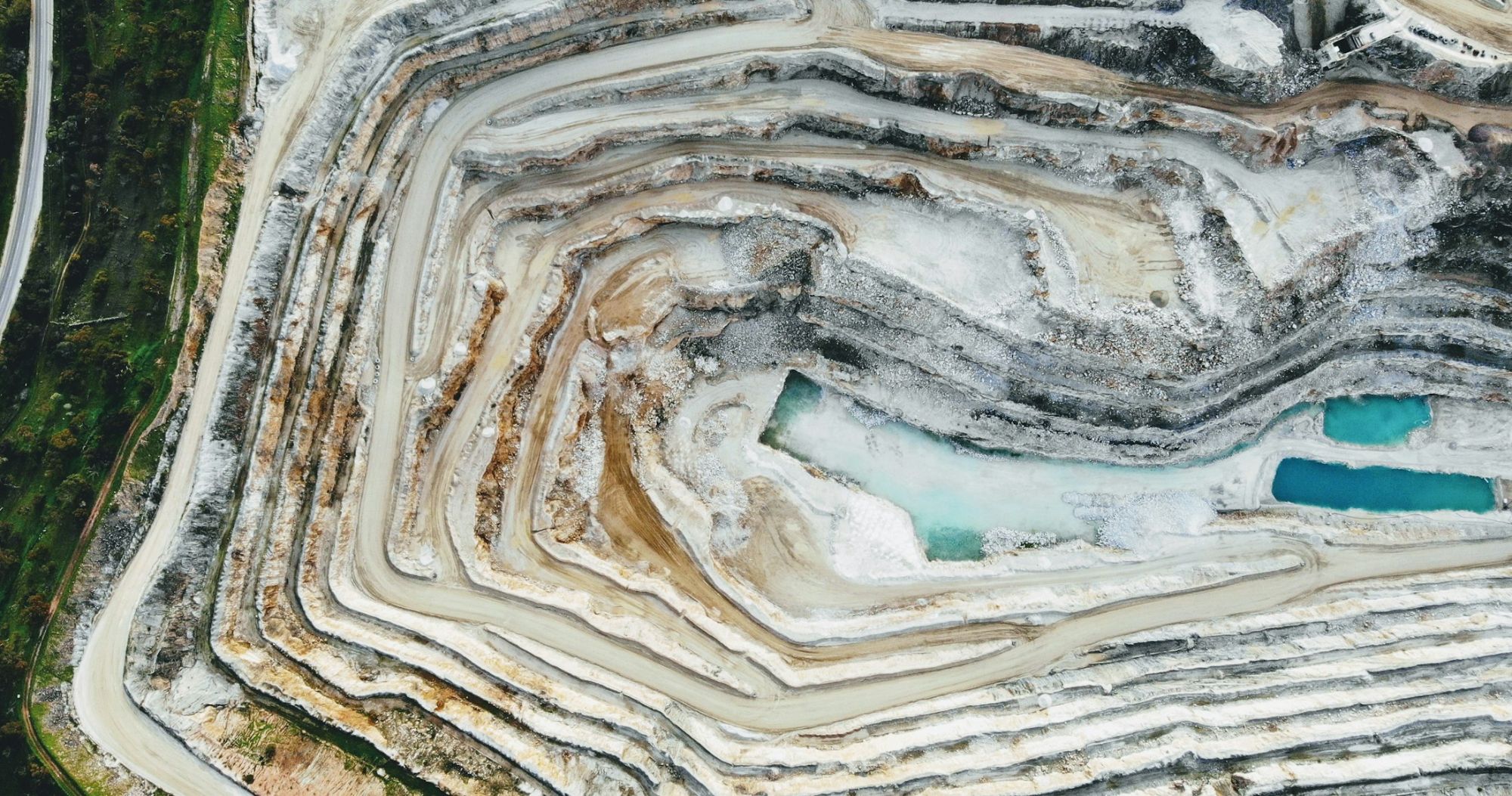
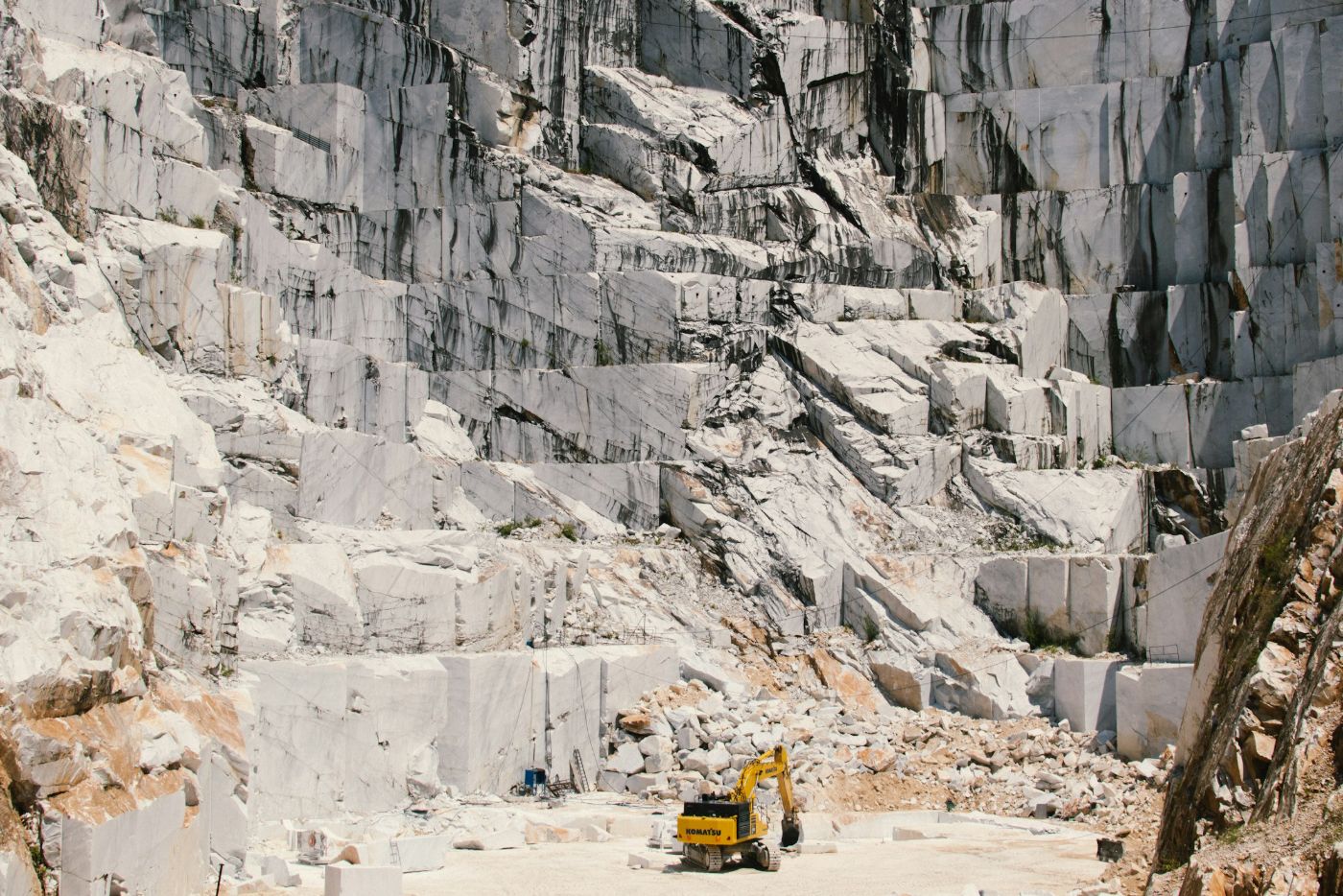
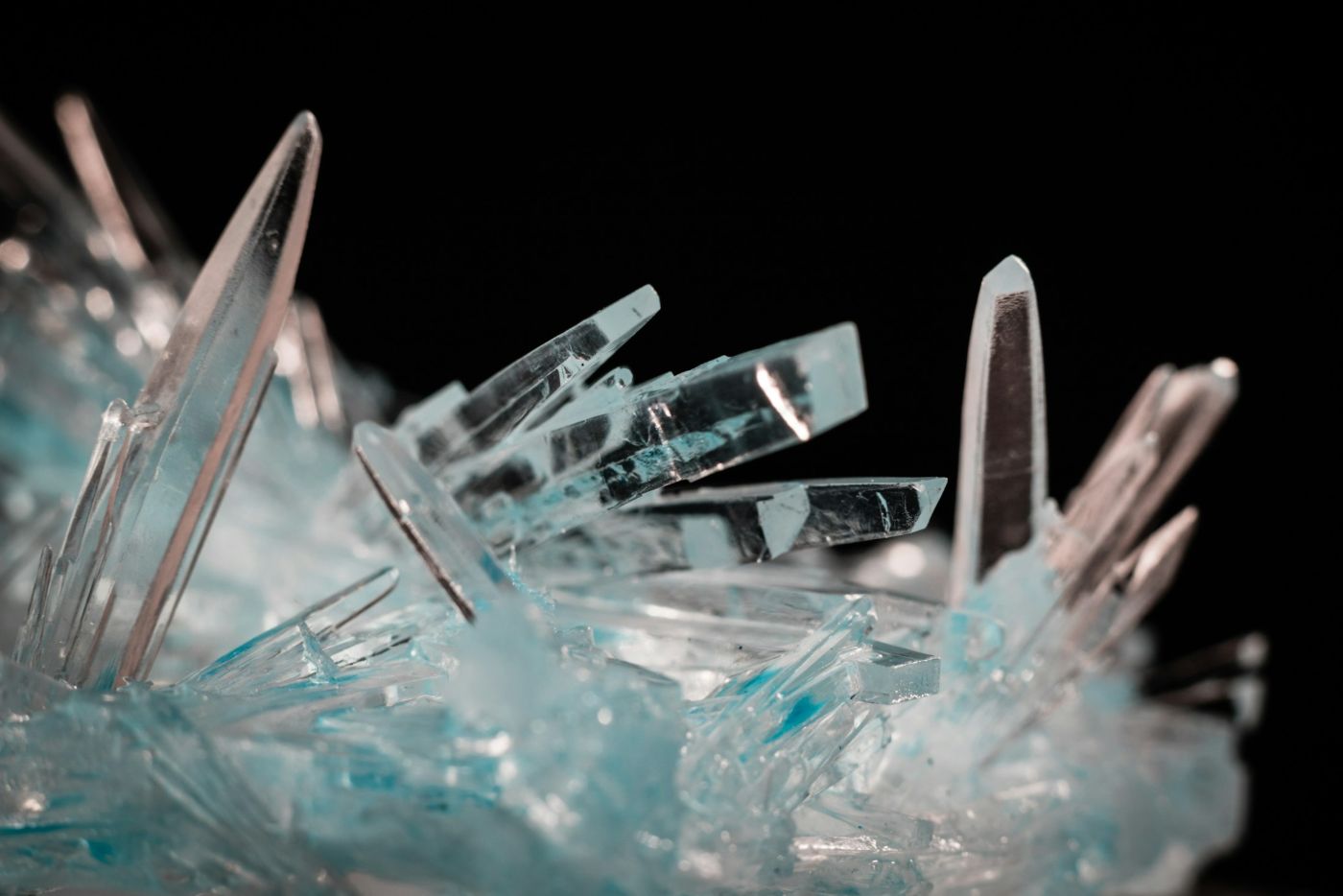
Reference photographs of quartz, quarrying and silicon products. They do not show the Debëlldë site.
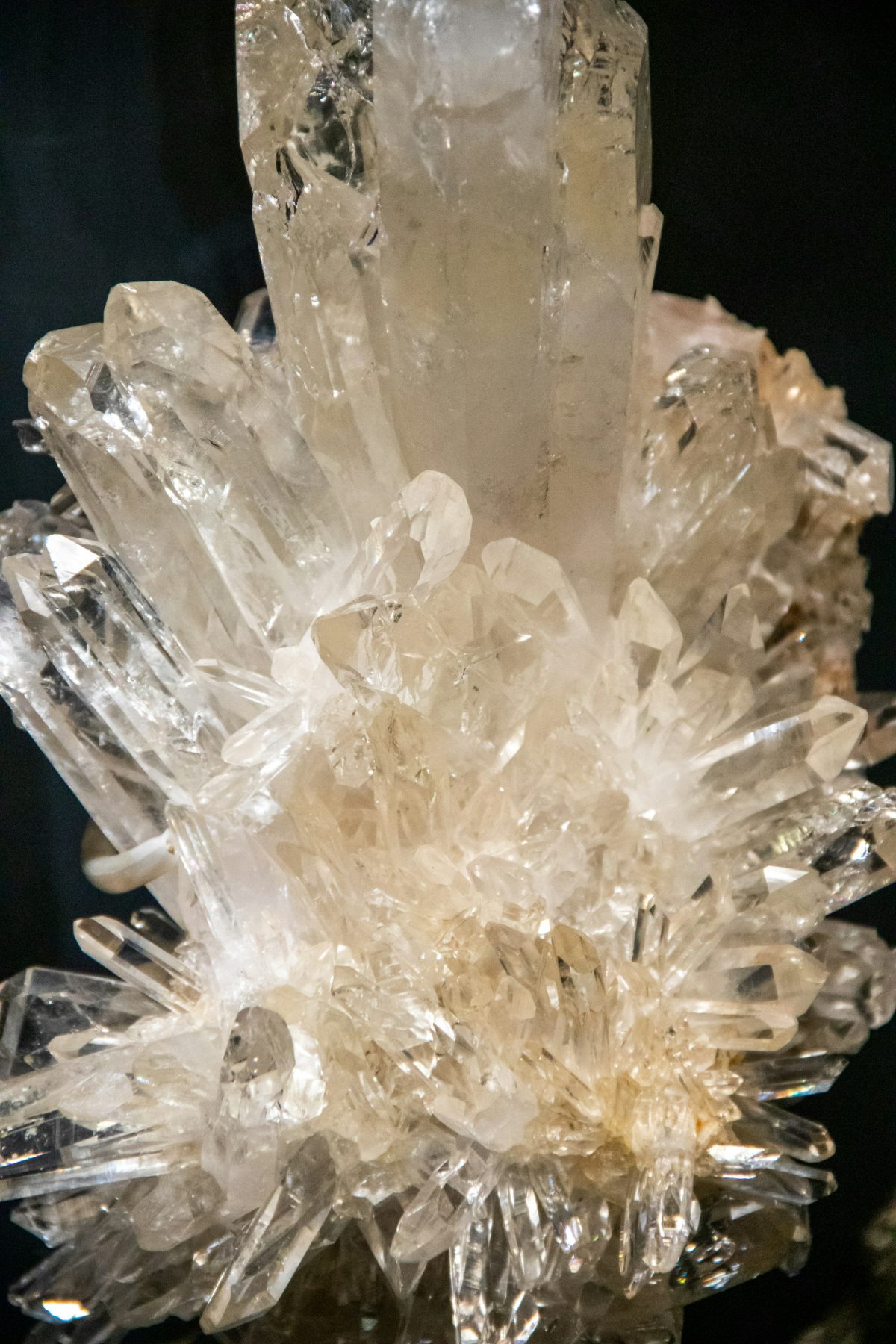 Quartz crystal
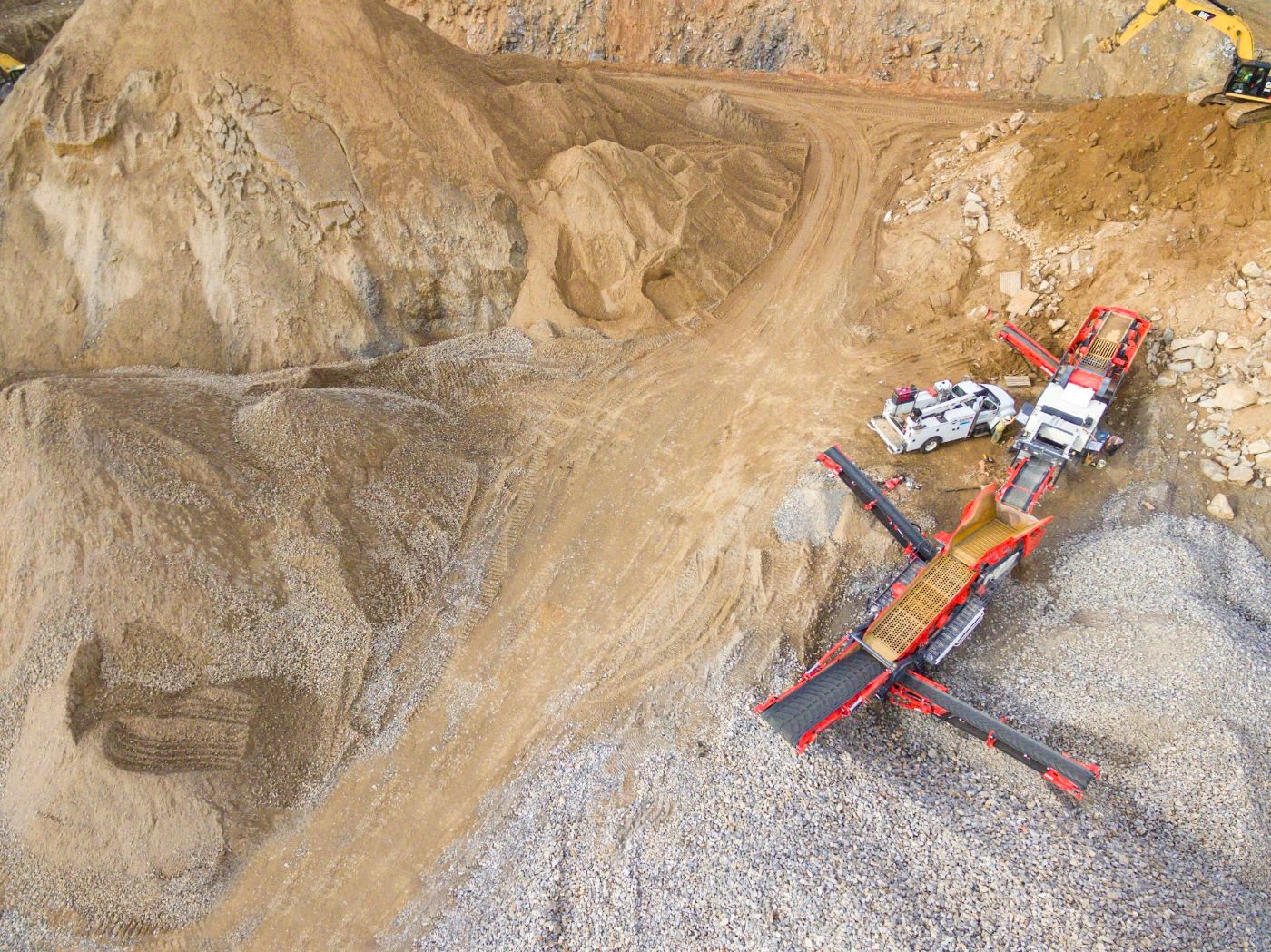 Crushing & screening
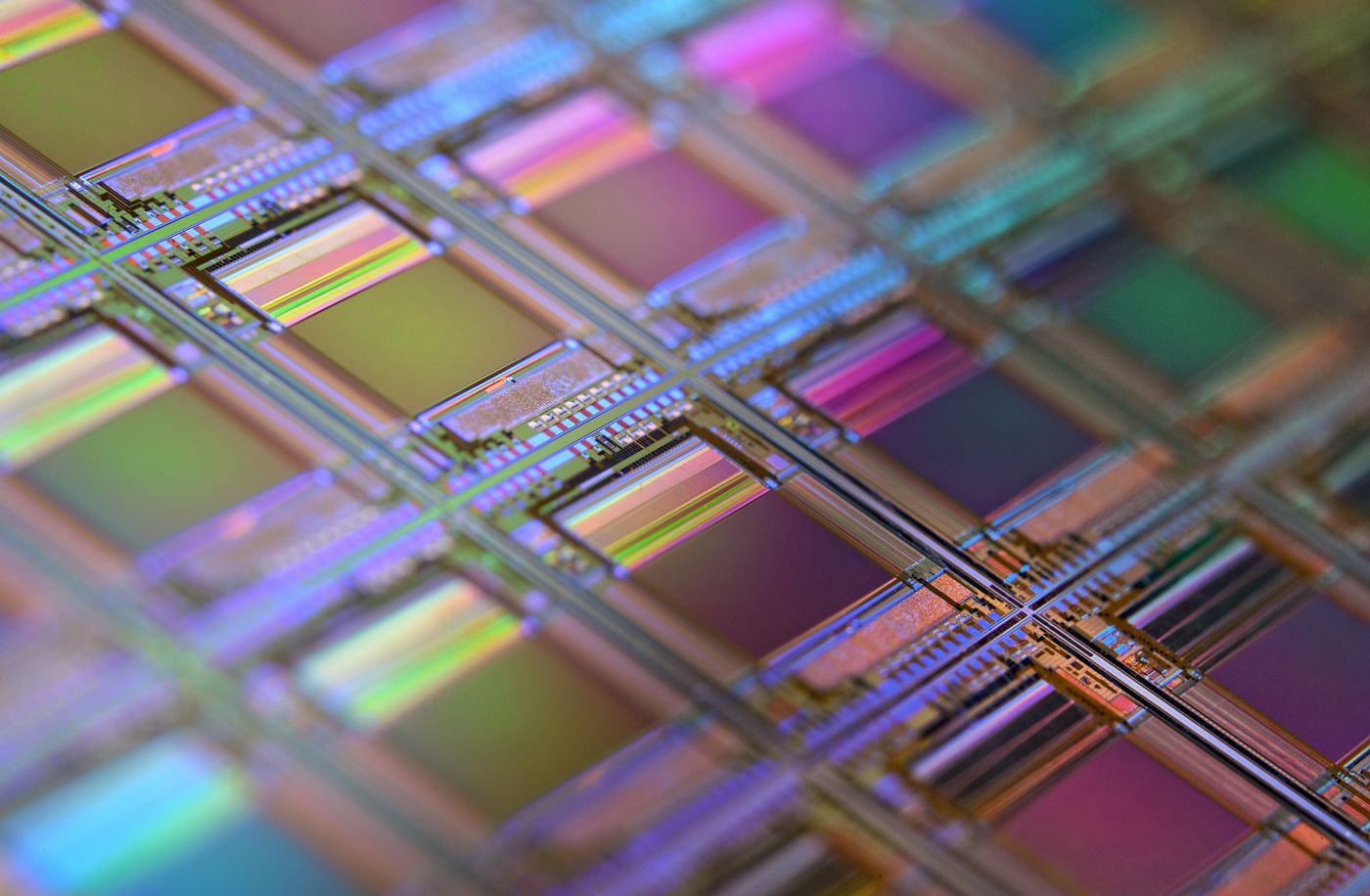 From quartz to silicon
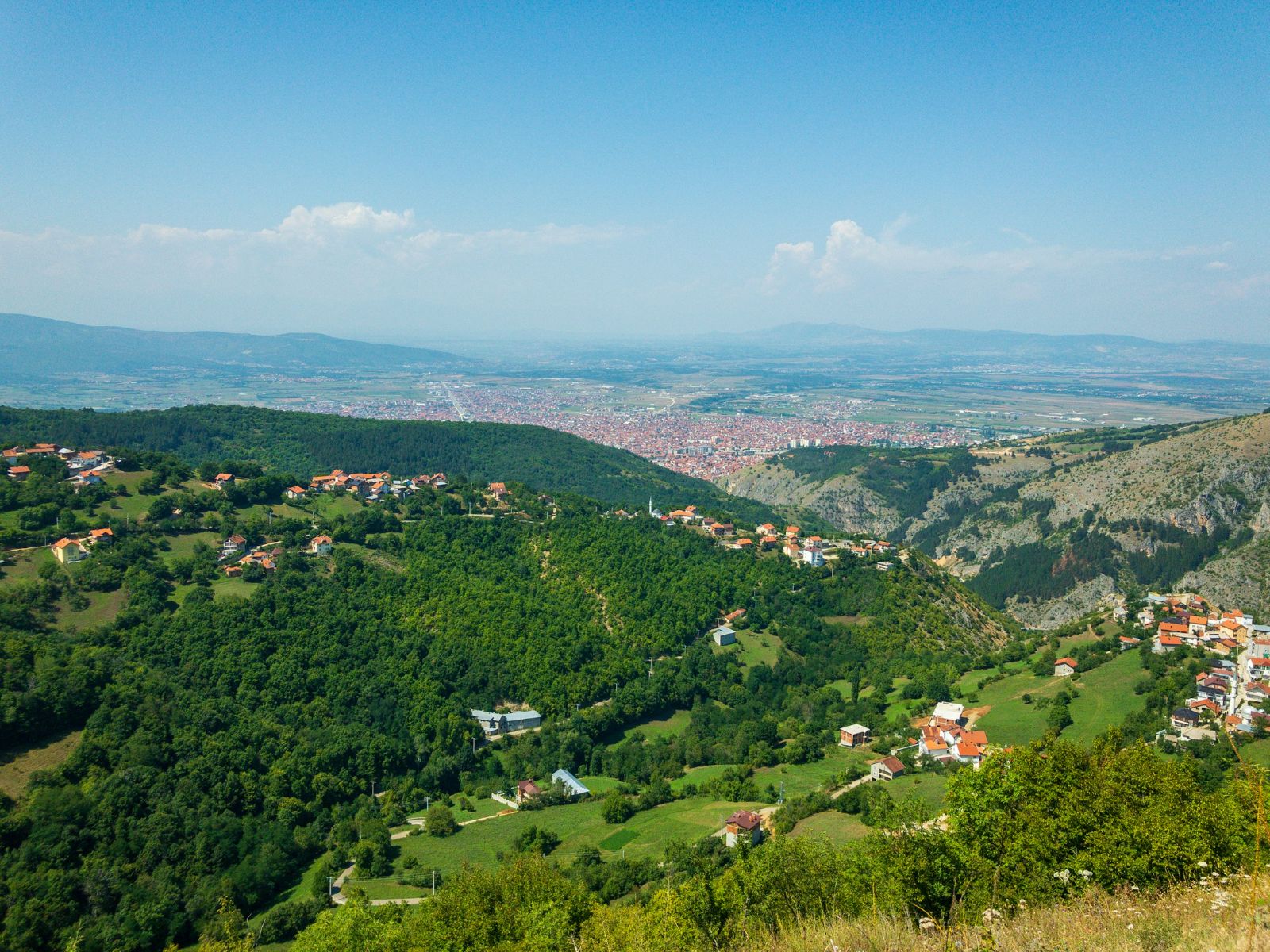 Kosovo hills
The MASO project is backed by documents from Kosovo’s mining commission, the 1971 geological study and laboratory analyses. Open any document to see a preview of its first page. Investors and partners get the full copies, with English and Albanian translations, on request.
This is a protected preview. Verified investors and partners get a private 3-day link to the full Data Room.
Every figure on this page comes from the documents in our Data Room.
Up to 99.99% SiO₂ after purification, with iron oxide measured at 0.000%.
Exploration licence approved by Kosovo’s Independent Commission for Mines and Minerals.
Since 1971: 49 drill holes and hundreds of chemical analyses in the Vitia field.
Surface outcrops near village roads, suited to open-pit mining without groundwater.
For investment, partnership or quartz supply enquiries about the Debëlldë project, send us a message and we will reply with the project documentation.